The future of art

Recent works
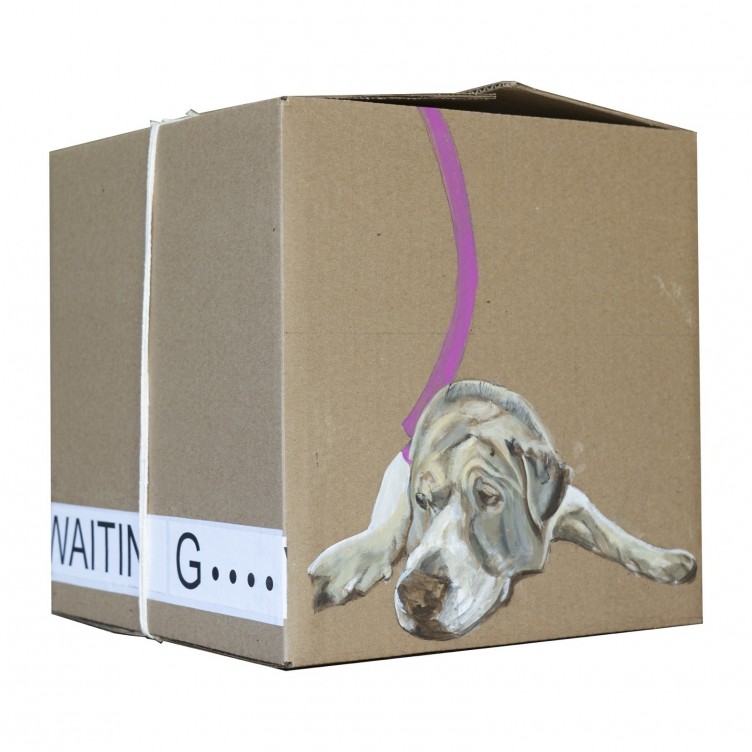
Ann Strassman is an American figurative painter working in Boston. Antiques and the Arts Weekly vividly describes her style as “expressive realism” that “evolves from an unforgiving eye which she has developed through experience. Through the use of exaggerated brushwork and dramatic tones she creates psychological tension. The vocabulary may well be German Expressionism and London school, but the vision is all her own.”
Such compelling thought exercises led Strassman to the School of the Museum of Fine Arts in Boston, where she developed the skills...
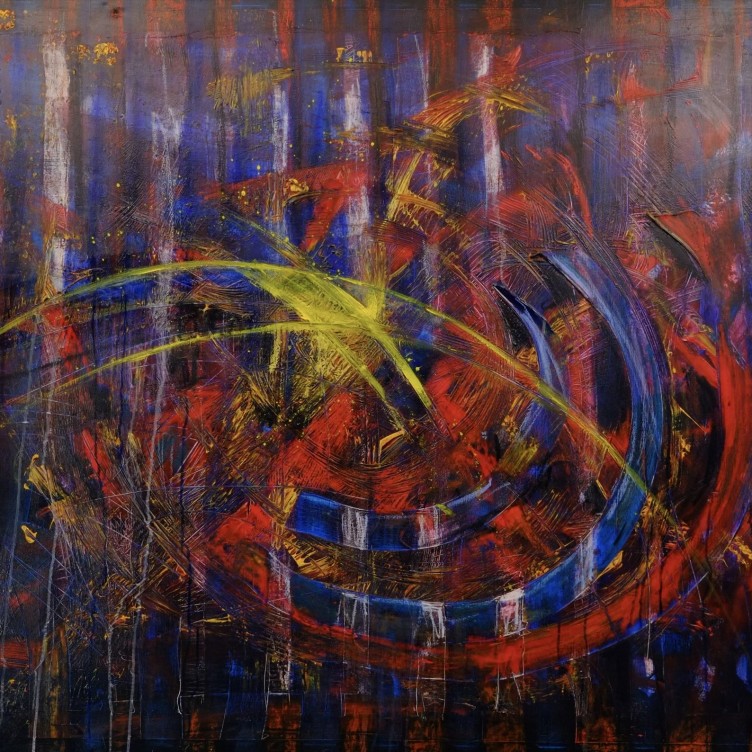
Kristin Jai Klosterman is best known for her large-scale mobile sculptures and mixed media paintings. Klosterman focuses on the exchange between contrasting mediums as a means to examine the balance of power between the masculine and feminine. While radically different in terms of presentation, both Klosterman's sculptural and painterly works draw their inspiration from an identical source—the Fibonacci sequence, which occurs spontaneously in nature.
Klosterman's sculptures are exhibited in numerous public forums in California, Texas, and Tennessee and in private collections domestically as well as abroad...

Born in Mexico, Duarte’s work is rooted in history both collective and personal, his own, he intertwines experiences of modern life with collective ones rooted in myth and history through the lens of his own Mexican culture. Despite the seemingly cultural specific themes he touches on, the experiences he brings are universal because he sees Mexican history, no different than Roman or Japanese - it belongs to all of us and within each story, each culturally specific narrative, we find the collective experience that binds us all. The narratives we tell ourselves across the world, whether it’s in Mexico, Kenya or...
Gallery News